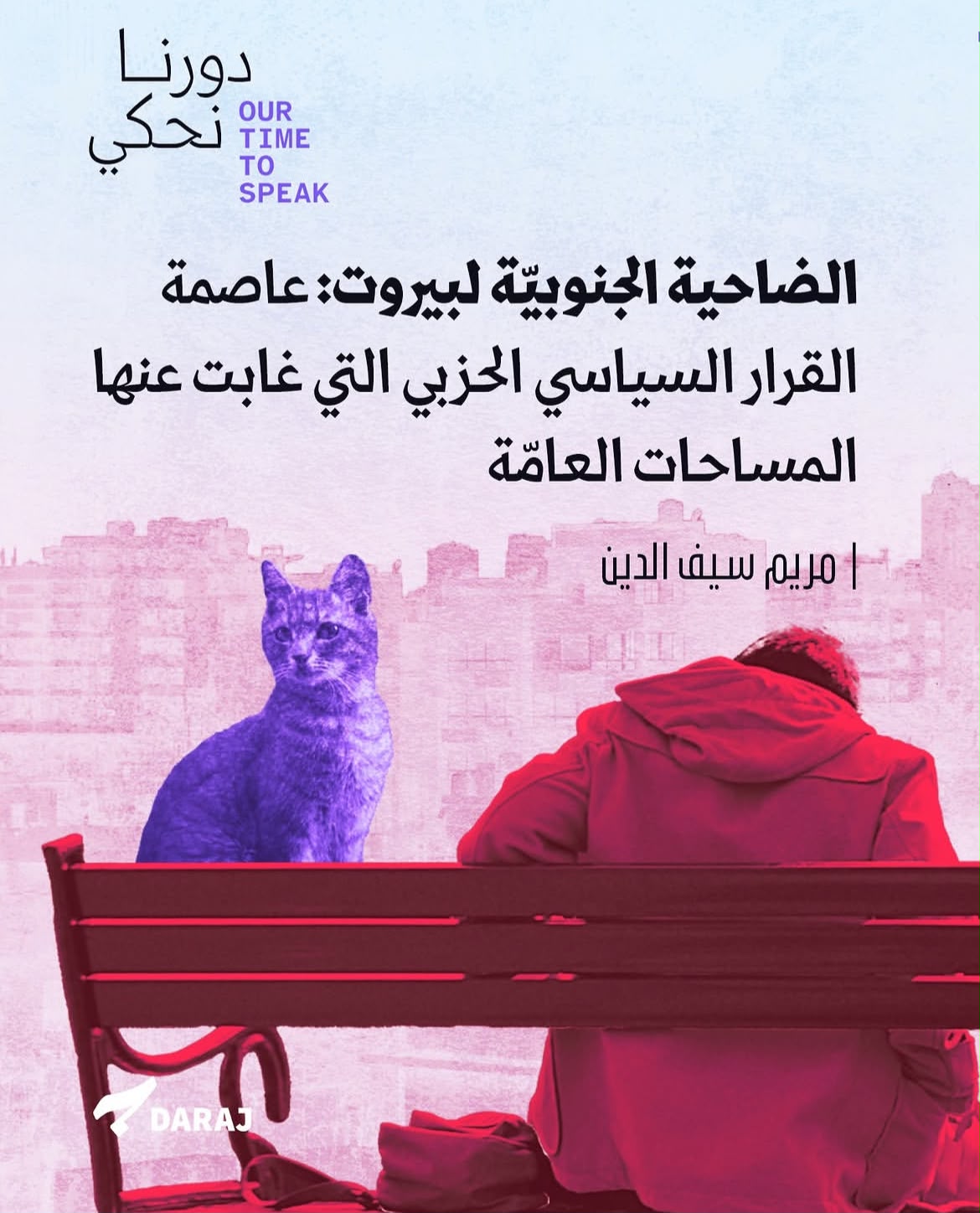
The parties and municipalities in the densely populated southern suburbs of Beirut have treated public spaces, especially green spaces, as mere aesthetic decorations that can be abandoned in favor of building party facilities and investments.
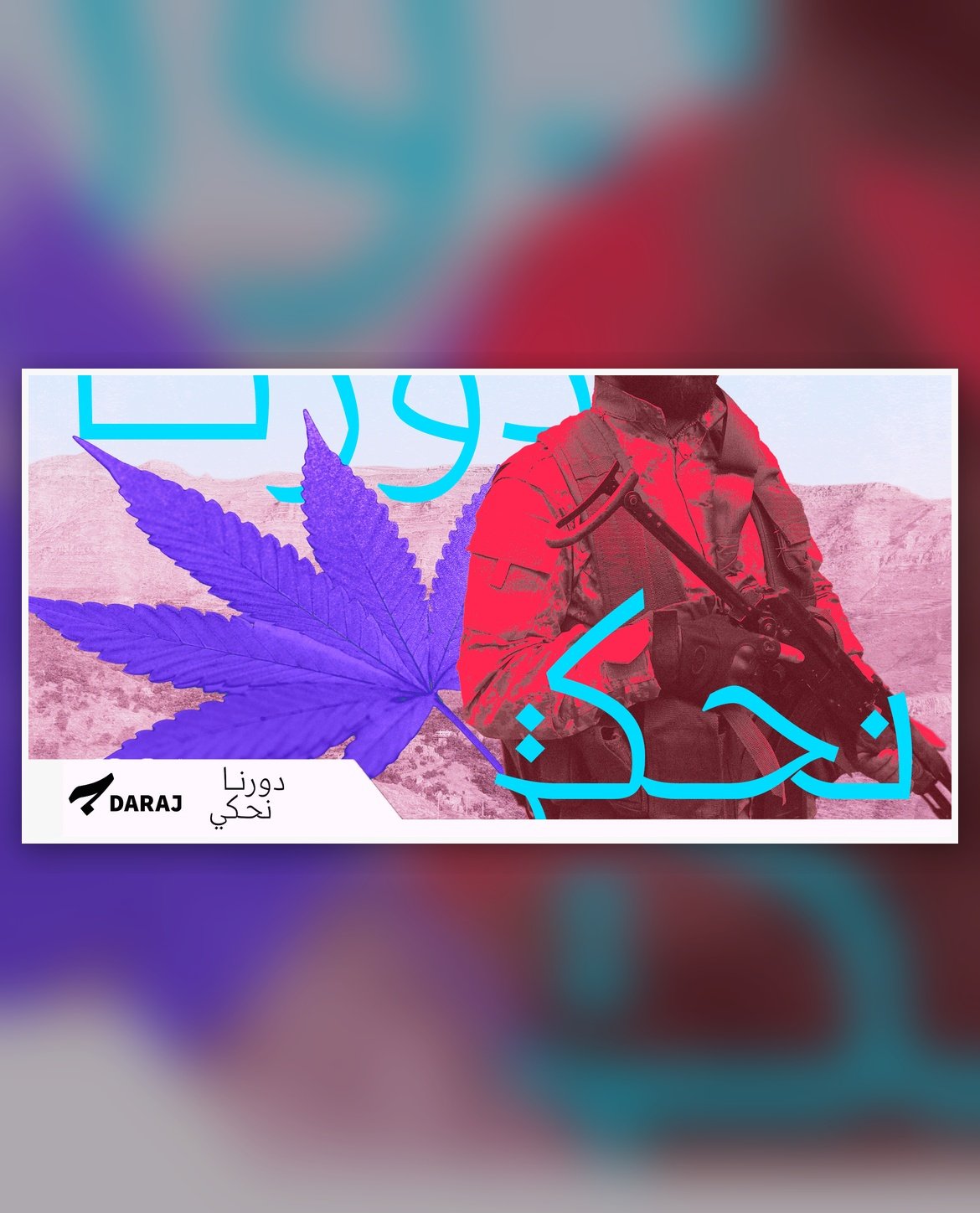
Since Lebanon’s independence in 1943, the cultivation of hashish and opium in the northern Bekaa Valley has constituted an illegal economic activity, involving local networks that include farmers, traders and agents, within a shadow economy paralleling the absence of the state.
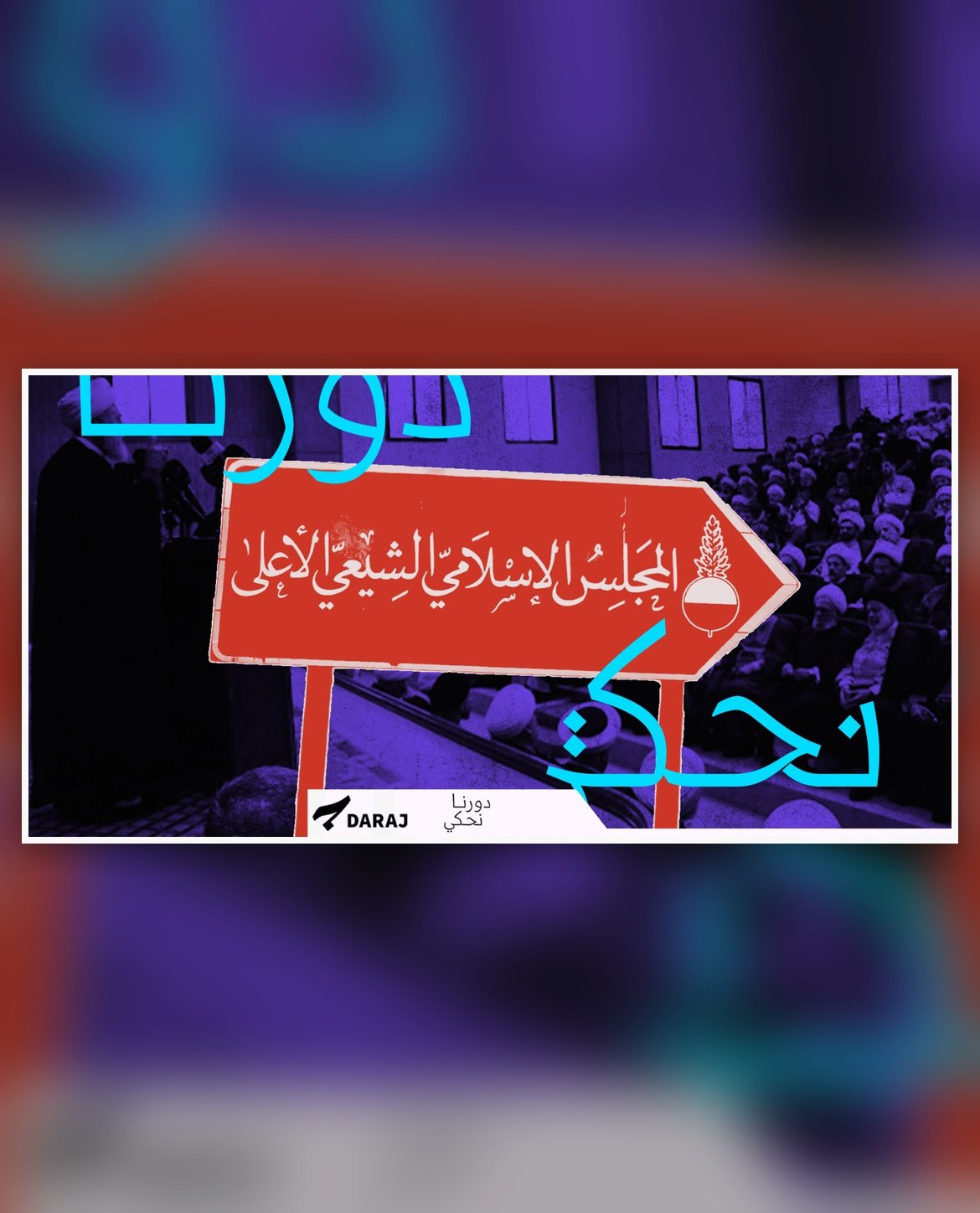
One of the most prominent problems facing the council is the erosion of its relative independence from political alignments. Instead of remaining a unifying authority equidistant from all forces, it is sometimes seen as part of the existing political balances, which has weakened its national...
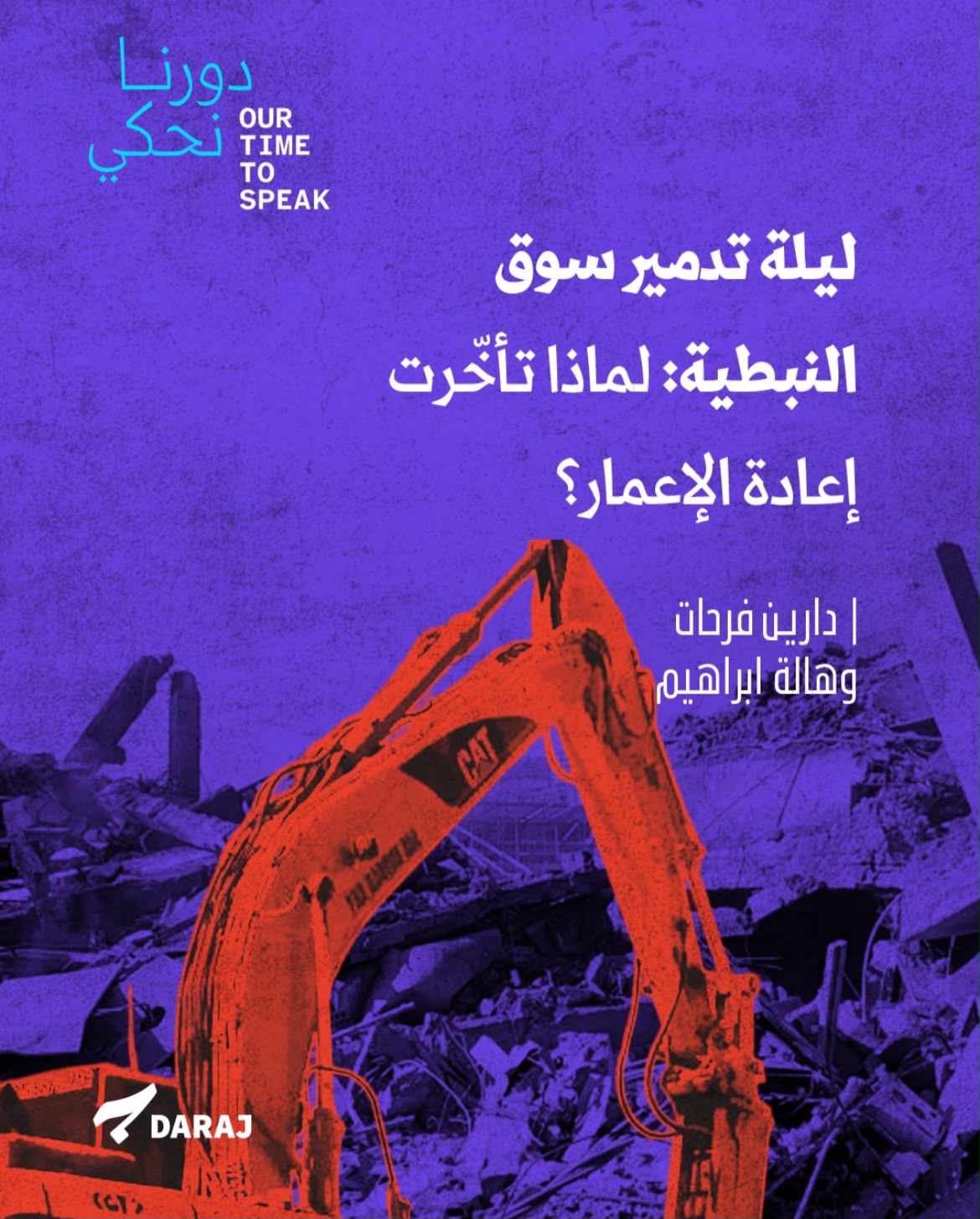
Calls to rebuild the Nabatieh market began from the first day of the return of displaced people, following the announcement of a ceasefire between Hezbollah and Israel, but these calls have arguably failed so far.
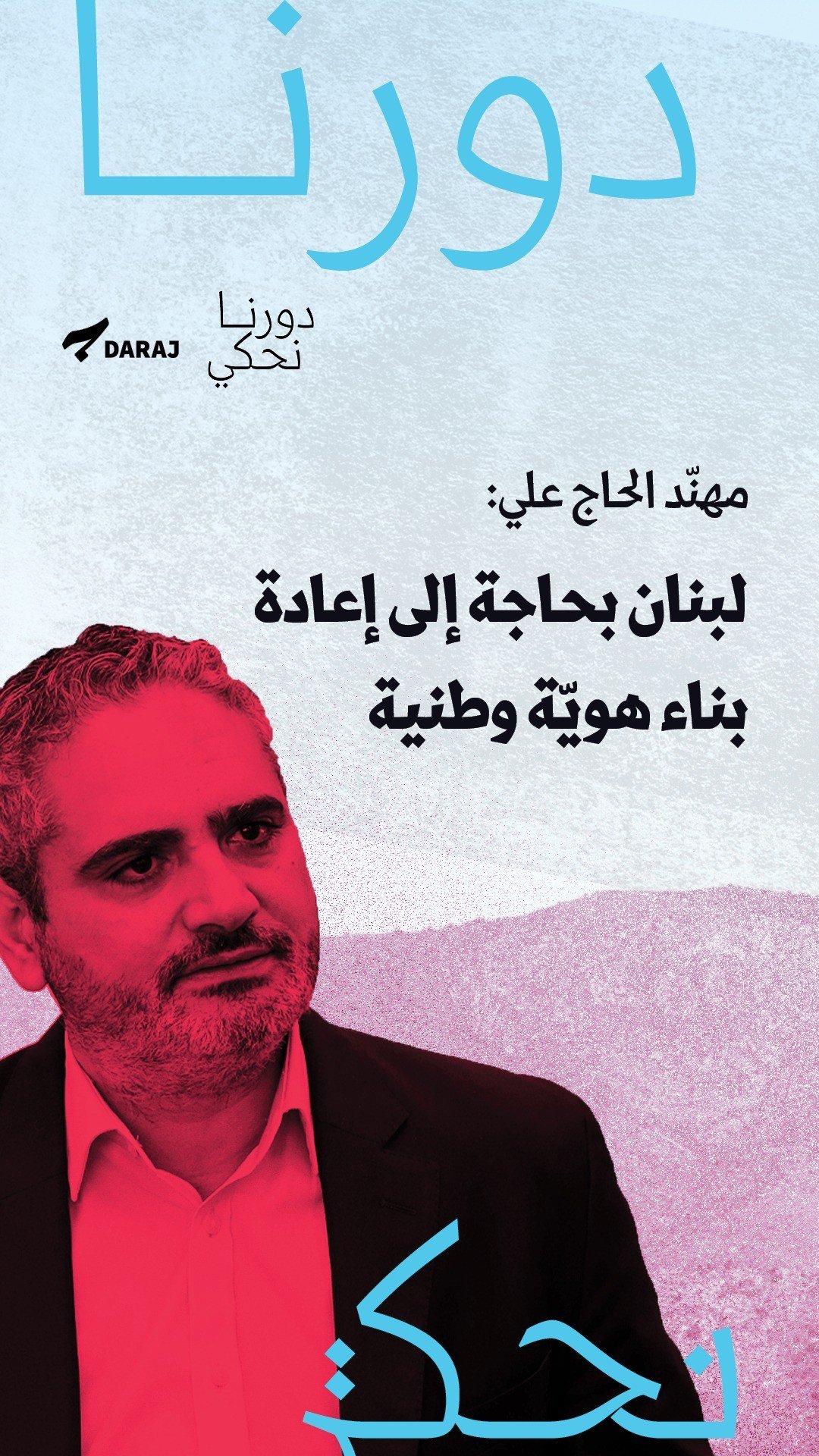
Lebanese national identity has been subjected to assault, and parallel sectarian narratives have emerged—such as Hezbollah’s sectarian narrative—fostered through institutions and a concerted effort to dominate the public sphere of a specific sect. Today, Lebanon is in need of rebuilding a national identity...