+961 76 547 304

تسجيل الدخول

تسجيل

بعد إنشاء حساب، ستتمكن من تتبع حالة الدفع الخاصة بك، وتتبع التأكيد.
اسم المستخدم*
كلمة المرور*
تأكيد كلمة المرور*
الاسم الأول*
اسم العائلة*
البريد الإلكتروني*
هاتف*
عنوان الاتصال
بلد*
* إنشاء حساب يعني موافقتك على شروط الخدمة وبيان الخصوصية الخاصين بنا.
يرجى الموافقة على جميع الشروط والأحكام قبل الانتقال إلى الخطوة التالية

هل أنت عضو بالفعل؟

تسجيل الدخول

Day

يوليو 11, 2026
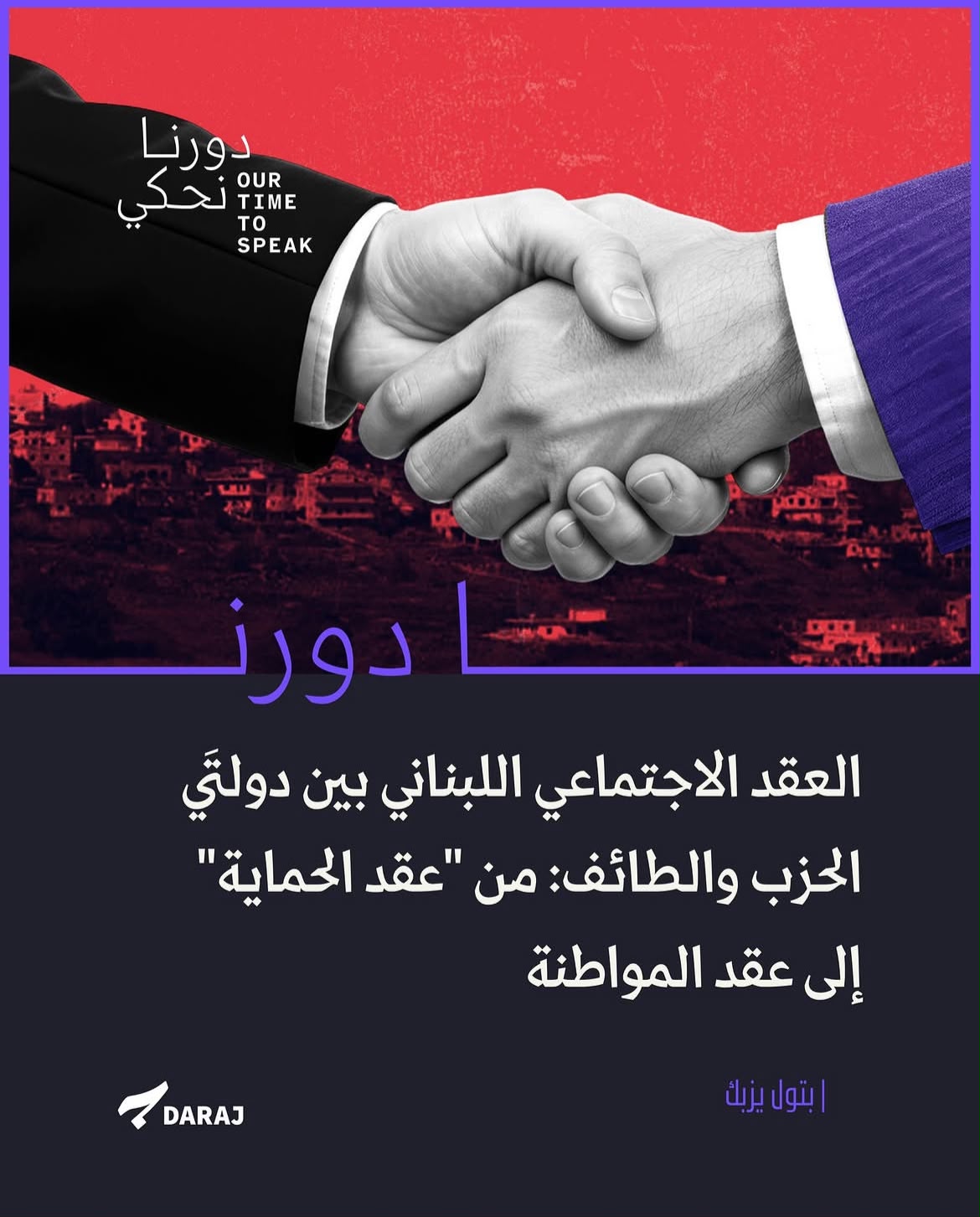
Since 2006, the “Promise” and “Reconstruction Jihad” have filled the state vacuum and amassed a loyal base of support. The Syrian war then solidified the intertwining of “regional security” and the “national pact,” transforming the debate into accusations of treason. With the recent tensions, we are living under implicit rules of engagement, a politics dictated...
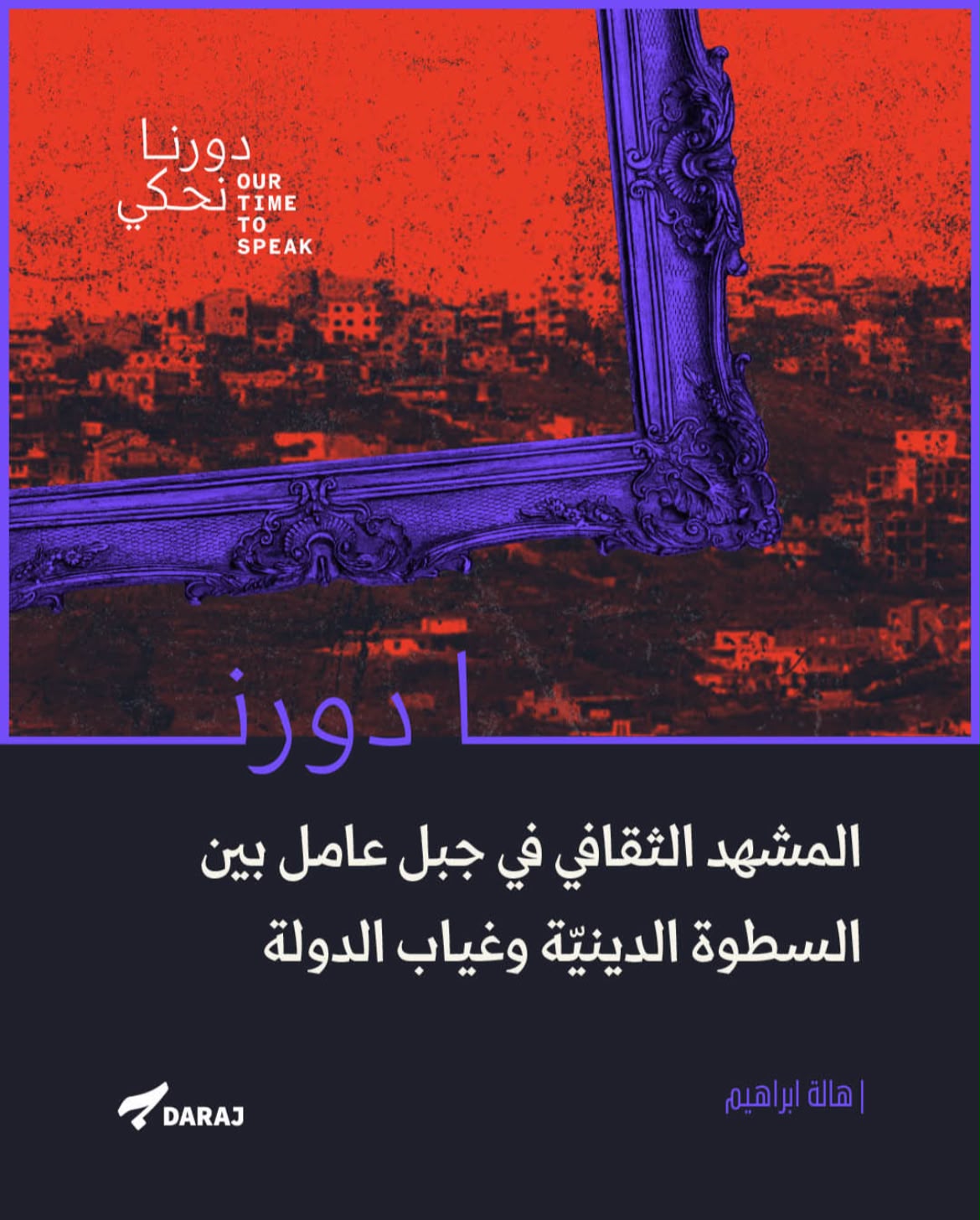
That was my first encounter with ceilings, and with fear that stifles and obscures, until reading becomes merely a passive reception process in which we have no critical mind.
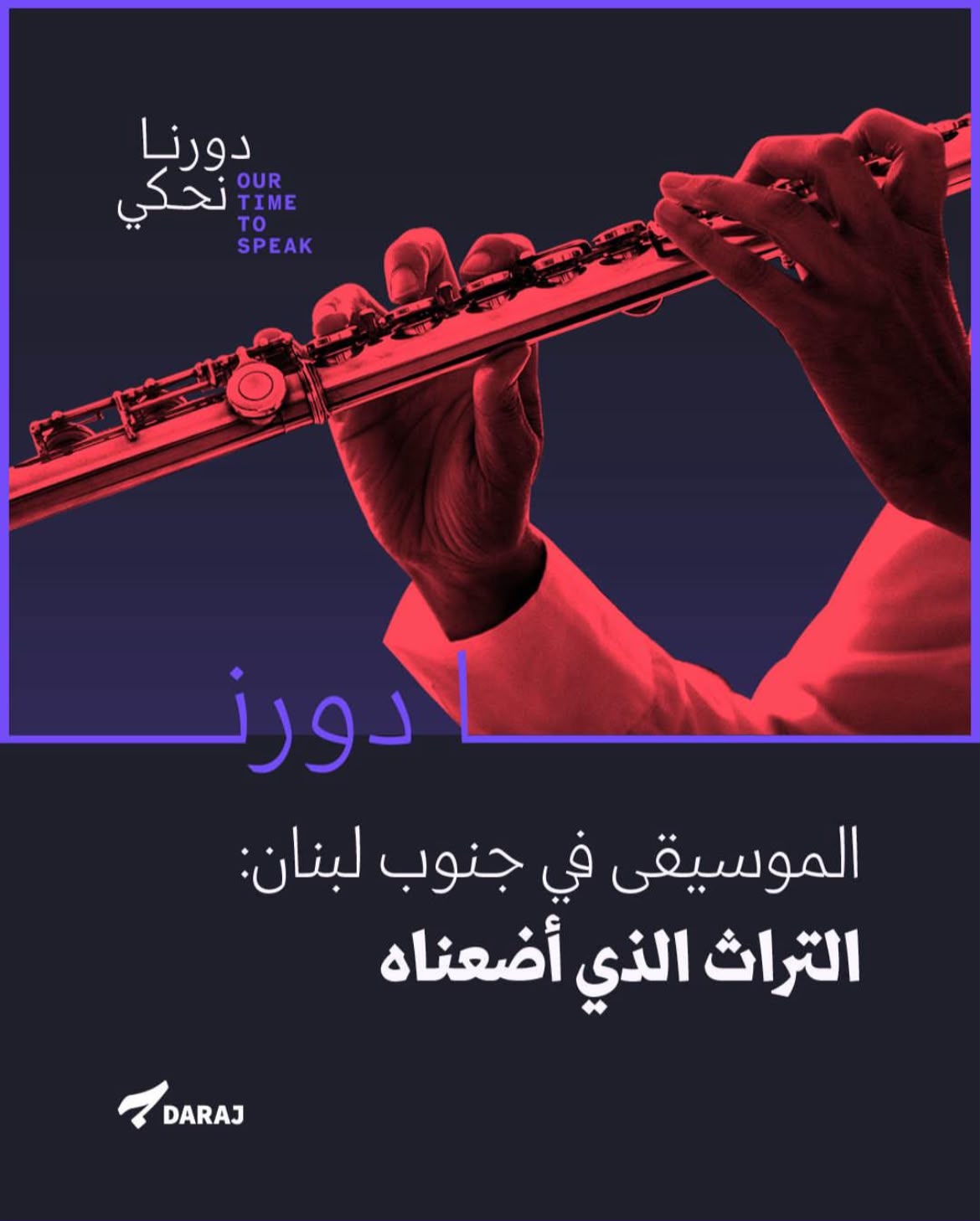
How did we in our region become at odds with music and singing? How did these restrictions that define what is permissible to listen to and what is not come about? How did the songs of Fairouz, Sabah and Wadih El Safi become forbidden?
There is no doubt that the Lebanese state is weak and fragile, if we understand "state" as the political authority and the bureaucratic apparatus that manages it. Indeed, it is extremely weak and fragile. However, authority is not the only pillar of the state; the state has three fundamental pillars: territory, people, and authority.
Wars have left behind a lot of destruction, and public spaces are nothing but a place for social cohesion, and a source of human ideas for peace against death, for reconstruction against destruction, for the sustainability of resources against harming the environment, and for citizenship and the state project.
1 2